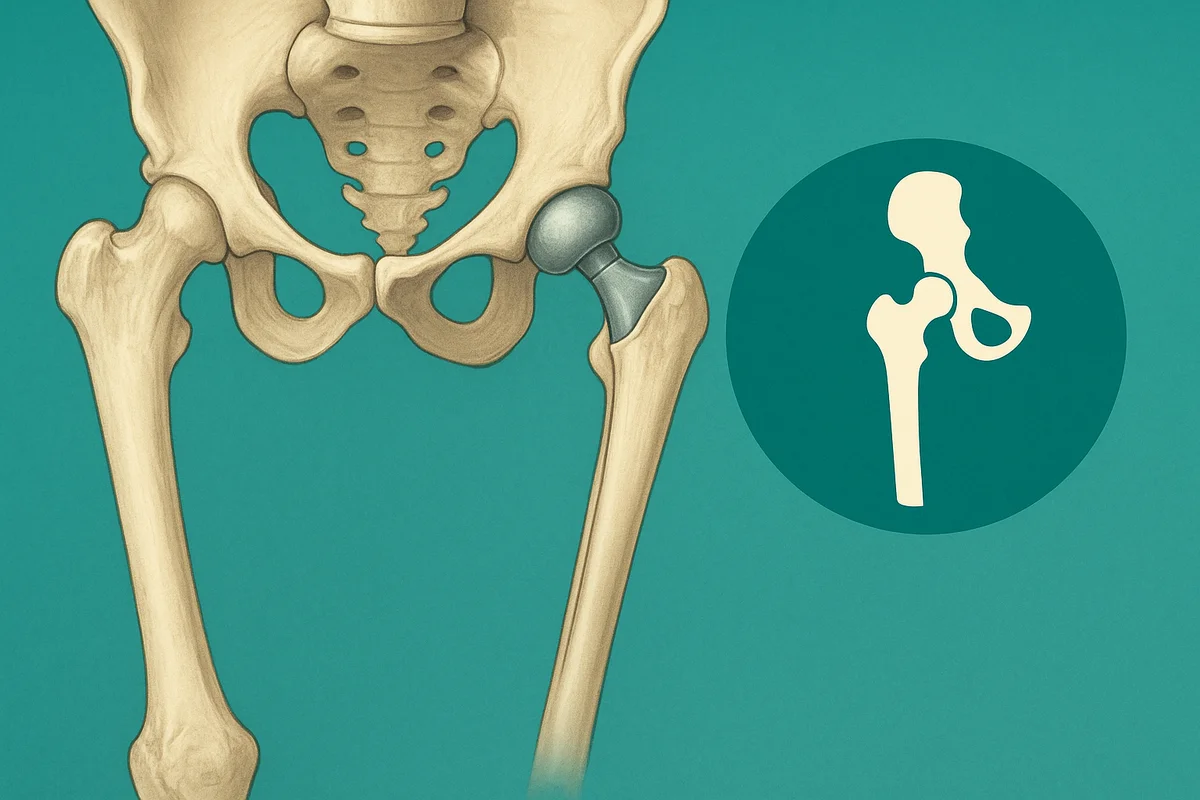
Hip replacement surgery, also known as total hip arthroplasty, has become one of the most successful orthopedic procedures worldwide. For patients suffering from severe hip pain and limited mobility due to arthritis, injury, or other conditions, this surgery can restore quality of life. India has emerged as a leading destination for hip replacement surgery, offering world-class care at a fraction of the cost found in Western countries.
Understanding Hip Replacement Surgery
Total hip replacement involves removing the damaged ball (femoral head) and socket (acetabulum) of the hip joint and replacing them with artificial components made of metal, ceramic, or high-grade plastic. These prosthetic components are designed to replicate the natural movement of your hip joint.
When is Hip Replacement Recommended?
Your orthopedic surgeon may recommend hip replacement if you experience:
- Severe hip pain that limits daily activities
- Pain that persists even while resting
- Stiffness that makes it difficult to move your leg or hip
- Decreased mobility that affects your ability to walk, climb stairs, or get up from a seated position
- Failure to respond to non-surgical treatments like medication, physical therapy, or lifestyle changes
Common conditions that lead to hip replacement include osteoarthritis, rheumatoid arthritis, post-traumatic arthritis, and avascular necrosis (bone death from interrupted blood supply).
Implant Options: What's Available?
Modern hip replacement implants come in various materials and designs:
Material Combinations
- Metal-on-polyethylene: Most common, durable, and cost-effective
- Ceramic-on-ceramic: Extremely smooth and long-lasting, preferred for younger, active patients
- Ceramic-on-polyethylene: Combines ceramic durability with polyethylene flexibility
- Metal-on-metal: Less common now due to concerns about metal ions
Fixation Methods
- Cemented: Implant is fixed with special bone cement
- Uncemented: Implant has a special coating that allows bone to grow into it (bone ingrowth)
- Hybrid: One component cemented, one uncemented
Your surgeon will recommend the best option based on your age, activity level, bone quality, and overall health.
Why Choose India for Hip Replacement?
India has become a preferred destination for international patients seeking hip replacement surgery for several reasons:
Cost Savings
Hip replacement in India costs approximately 60-80% less than in the US, UK, or Australia, without compromising on quality. The total cost typically ranges from $5,000 to $8,000 USD, including surgery, hospital stay, and basic rehabilitation.
World-Class Hospitals
Leading Indian hospitals are JCI (Joint Commission International) accredited and equipped with state-of-the-art technology. Many surgeons have received training and fellowships from prestigious international institutions.
Excellence in Orthopedics
Indian orthopedic surgeons perform thousands of hip replacements annually, resulting in high levels of expertise and excellent success rates. Many hospitals have specialized joint replacement centers with dedicated teams.
Short Waiting Times
Unlike many Western countries where patients may wait months for surgery, appointments in India can typically be scheduled within 2-4 weeks.
Top Hospitals for Hip Replacement in India
India's leading hospitals for orthopedic surgery include:
- Apollo Hospitals (multiple locations)
- Fortis Memorial Research Institute, Gurgaon
- Max Super Speciality Hospital, Saket
- Medanta - The Medicity, Gurgaon
- Artemis Hospitals, Gurgaon
These institutions offer comprehensive joint replacement programs with multidisciplinary teams including orthopedic surgeons, physiotherapists, and pain management specialists.
The Surgical Procedure
Hip replacement surgery typically takes 1-2 hours and is performed under general or spinal anesthesia. The surgeon makes an incision (usually 4-6 inches, or smaller with minimally invasive techniques) to access the hip joint. After removing the damaged bone and cartilage, the new artificial components are secured in place. The incision is closed, and you're moved to the recovery room.
Recovery Timeline and Expectations
Understanding what to expect during recovery helps you prepare:
Hospital Stay (2-4 days)
You'll typically be walking with assistance within 24 hours of surgery. Physical therapy begins immediately to strengthen muscles and improve mobility. Pain is managed through medications and local anesthesia techniques.
First 2 Weeks
You'll use a walker or crutches. Basic activities like getting dressed and simple household tasks are usually possible. Follow-up appointments and wound care are important.
Weeks 3-6
Most patients transition from crutches to a cane. Light exercises continue, and you'll gradually increase your activity level. Driving may be possible if your surgeon approves.
Months 2-3
By month 2-3, most patients can resume normal daily activities and light work. Strenuous activities and heavy lifting should still be avoided.
6 Months to 1 Year
Full recovery typically occurs within 6-12 months. Most patients can return to recreational activities and sports with their surgeon's approval.
Success Rates and Long-Term Outcomes
Hip replacement is one of the most successful surgeries in medicine:
- Over 95% of hip replacements are still functioning well after 10 years
- 80-90% are working well after 20 years
- Most patients experience significant pain relief and improved mobility
- Complication rates are low (less than 2%)
With newer materials and surgical techniques, today's hip replacements may last even longer.
Potential Risks and Complications
As with any major surgery, hip replacement carries some risks:
- Infection (less than 1% risk with proper protocols)
- Blood clots (prevented with blood thinners and early mobilization)
- Dislocation (rare, especially with modern techniques)
- Leg length discrepancy (usually minimal and not noticeable)
- Nerve or blood vessel injury (very rare)
- Implant loosening or wear (may require revision surgery after many years)
Your surgeon will discuss your individual risk factors and take steps to minimize complications.
Conclusion
Hip replacement surgery in India offers an excellent combination of high-quality medical care, experienced surgeons, and affordable costs. Thousands of international patients have successfully undergone hip replacement in India and returned home with restored mobility and reduced pain.
At Maktab Al-Shifa, we help coordinate every aspect of your hip replacement journey—from selecting the right hospital and surgeon to arranging travel, accommodation, and post-operative support. Our experienced team ensures you receive the best possible care while making the process as smooth and stress-free as possible.
If you're considering hip replacement surgery, we're here to provide guidance, answer your questions, and connect you with India's leading orthopedic specialists.